Soil Testing
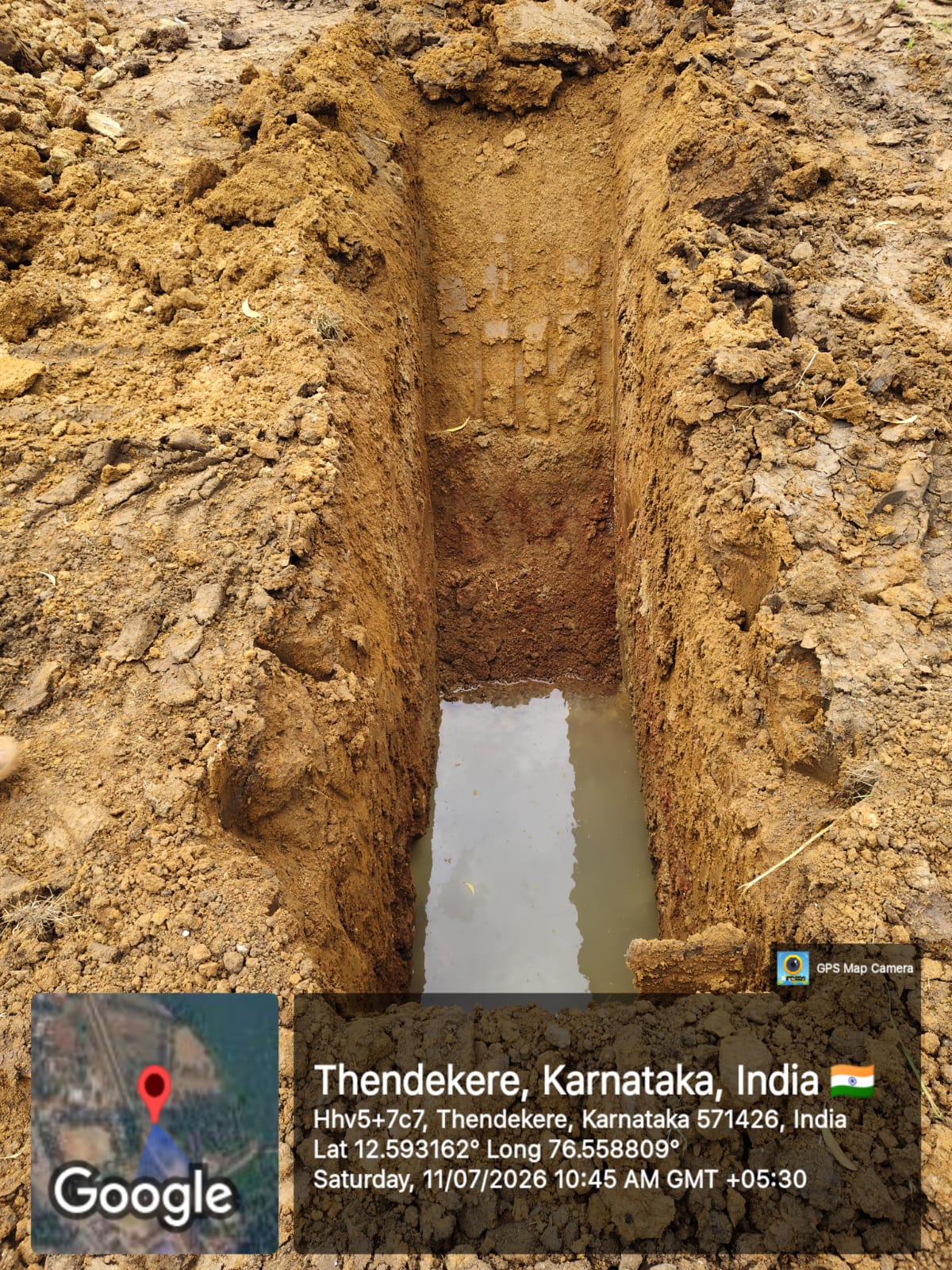
Our geotechnical soil testing and subsurface investigation services evaluate soil strata, safe bearing capacity (SBC), moisture content, and groundwater table depth before construction begins. Utilizing open trial pit excavations, core sampling, and standard geotechnical laboratory testing, our certified civil and geotechnical specialists deliver comprehensive soil investigation reports essential for structural foundation design, building sanctions, and structural stability.
What We Deliver
- Certified Geotechnical Soil Investigation & Safe Bearing Capacity (SBC) report
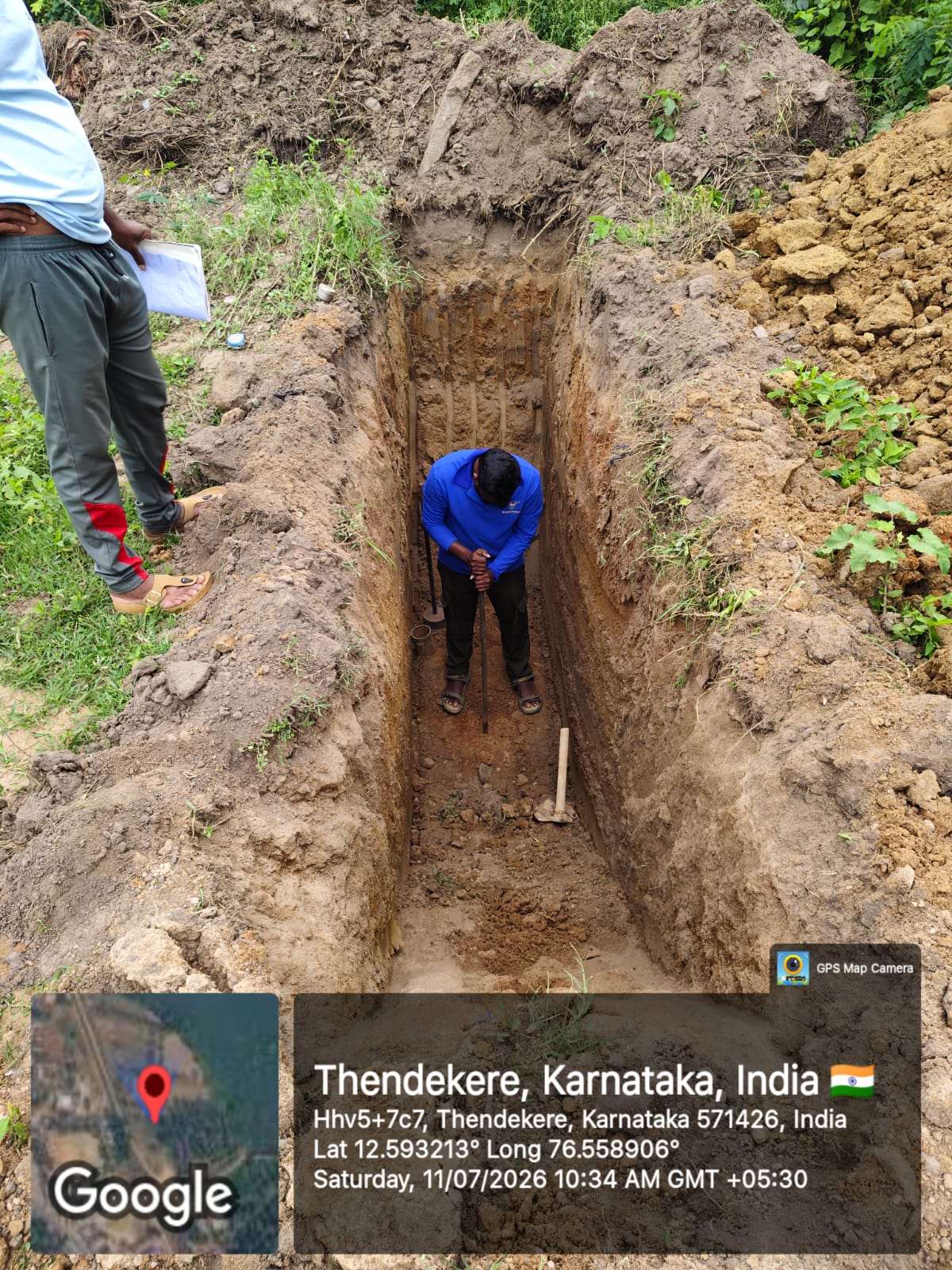
- Trial pit log sheets detailing soil stratigraphy and layer thickness
- Groundwater table depth assessment and percolation evaluation
- Laboratory test results (Atterberg limits, sieve analysis, direct shear, moisture content)
- Foundation depth, footing type, and structural engineering recommendations
Equipment Used
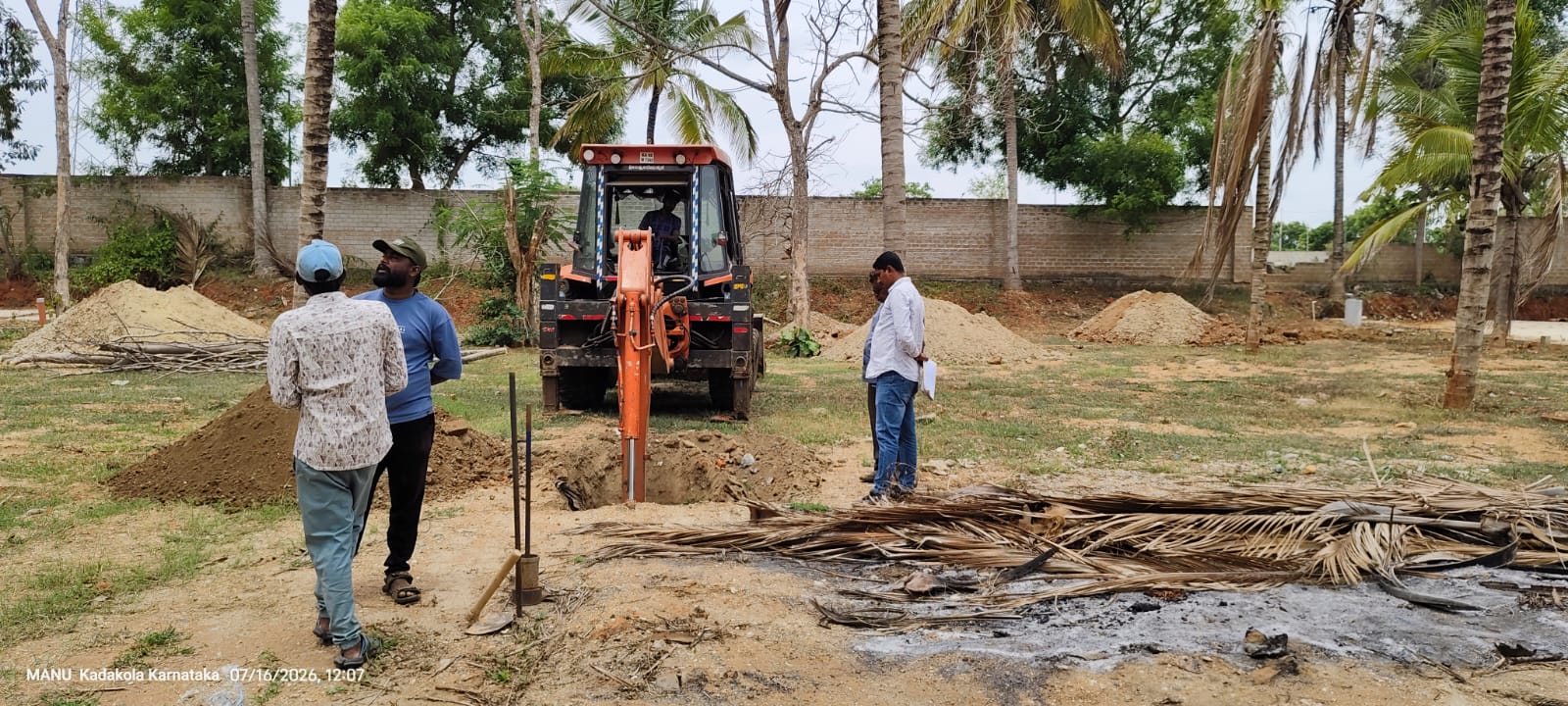
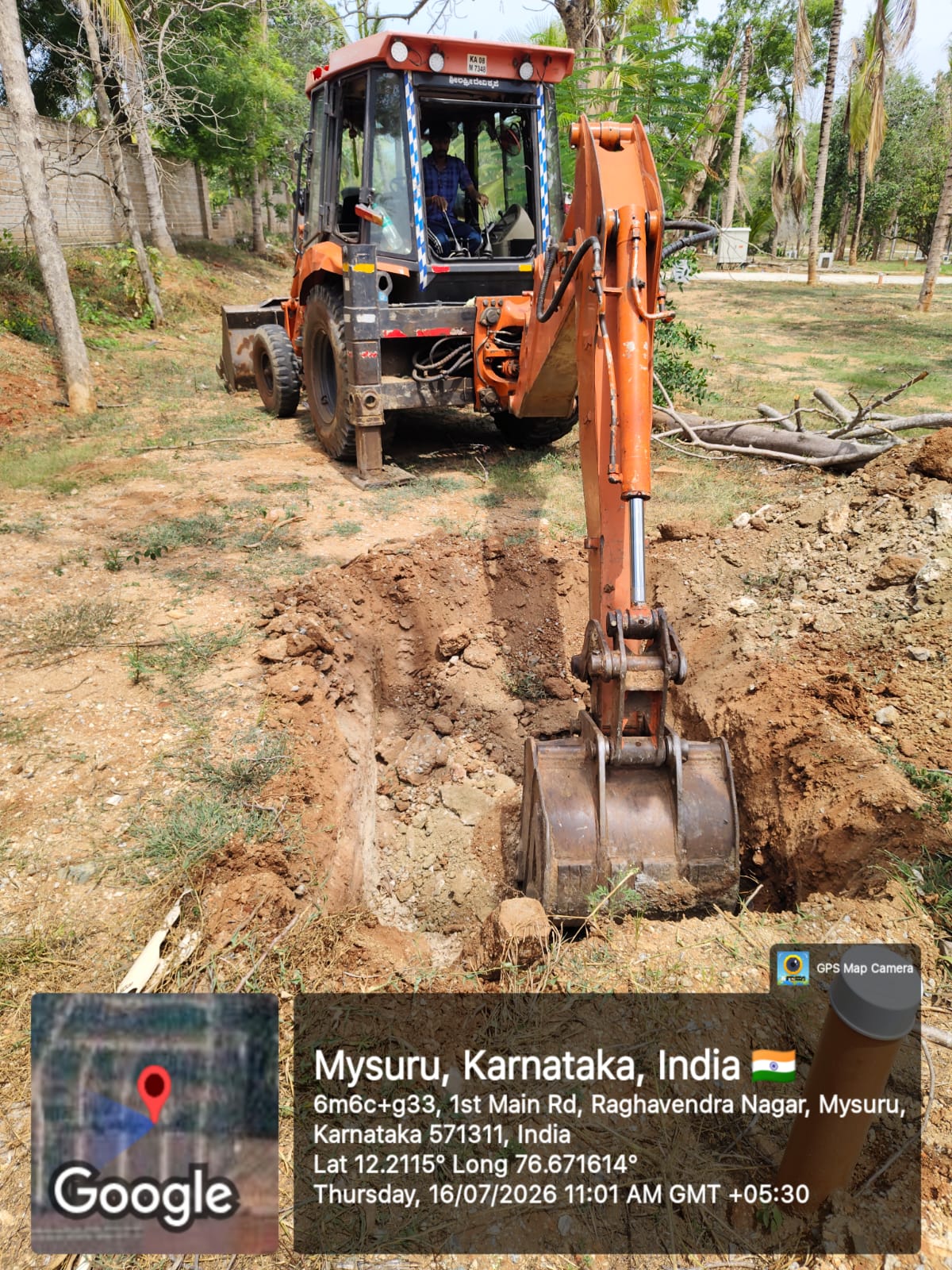
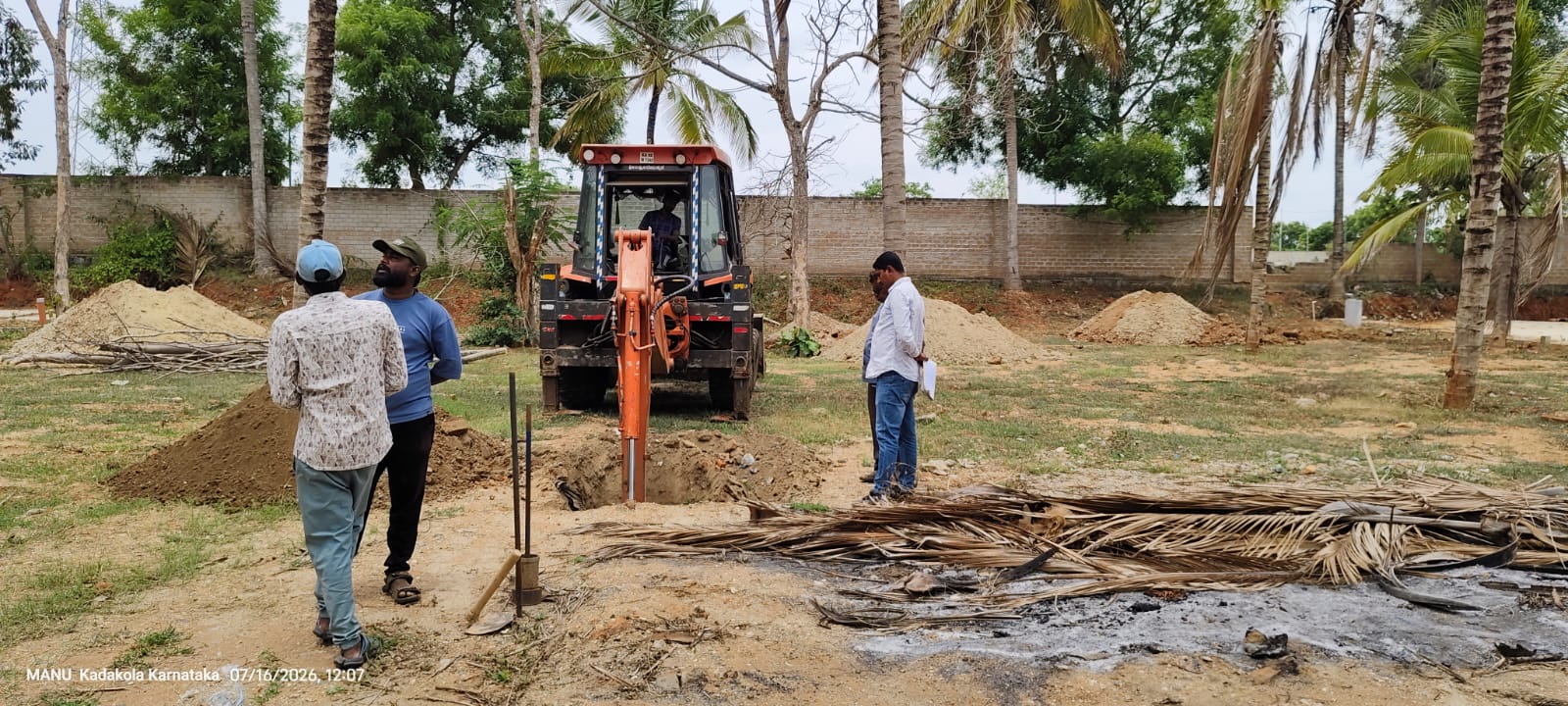
- Hydraulic excavators and core cutters for trial pit exploration
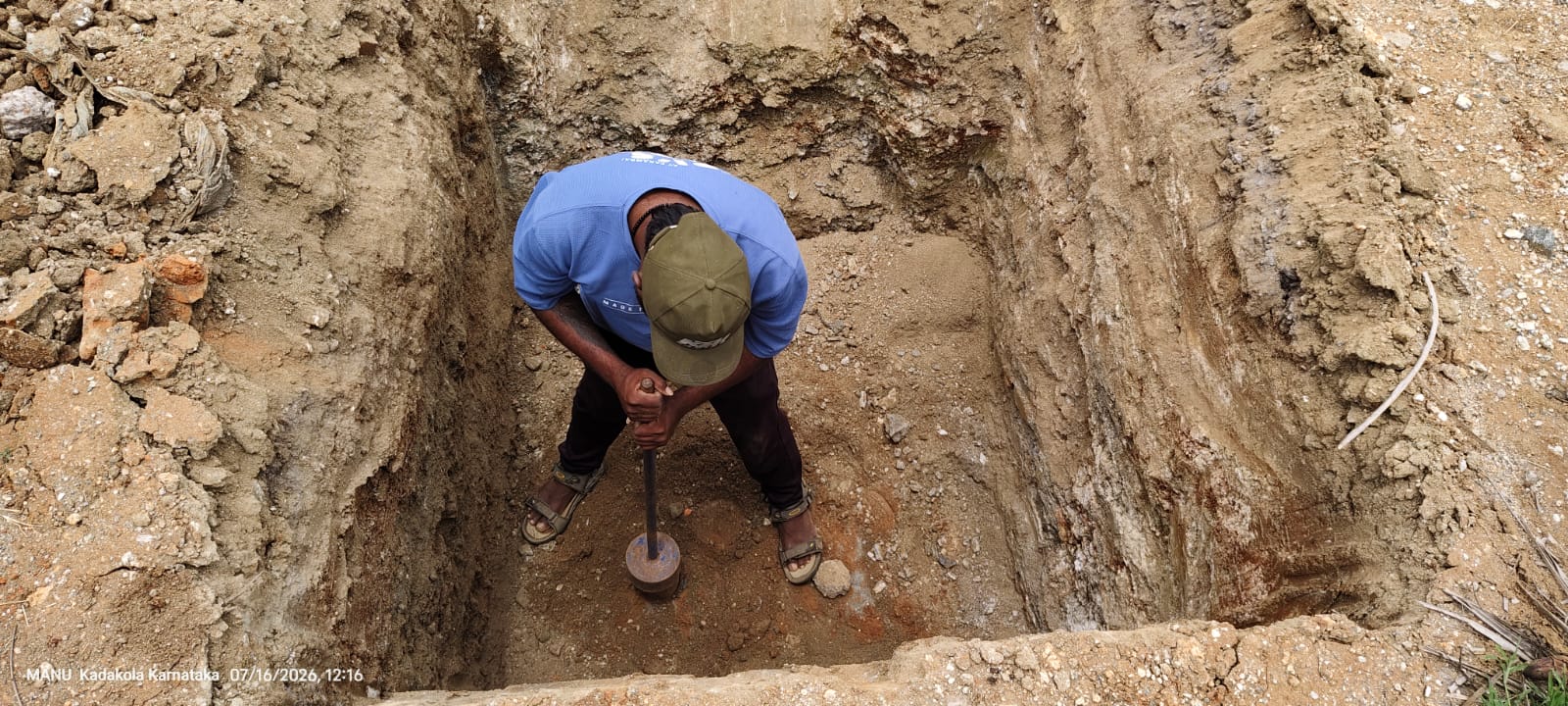
- Standard Penetration Test (SPT) apparatus and core sampling cylinders
- Direct shear test machine, triaxial shear apparatus, and liquid limit cones
- Calibrated digital moisture meters, density core samplers, and test sieves
Our Process
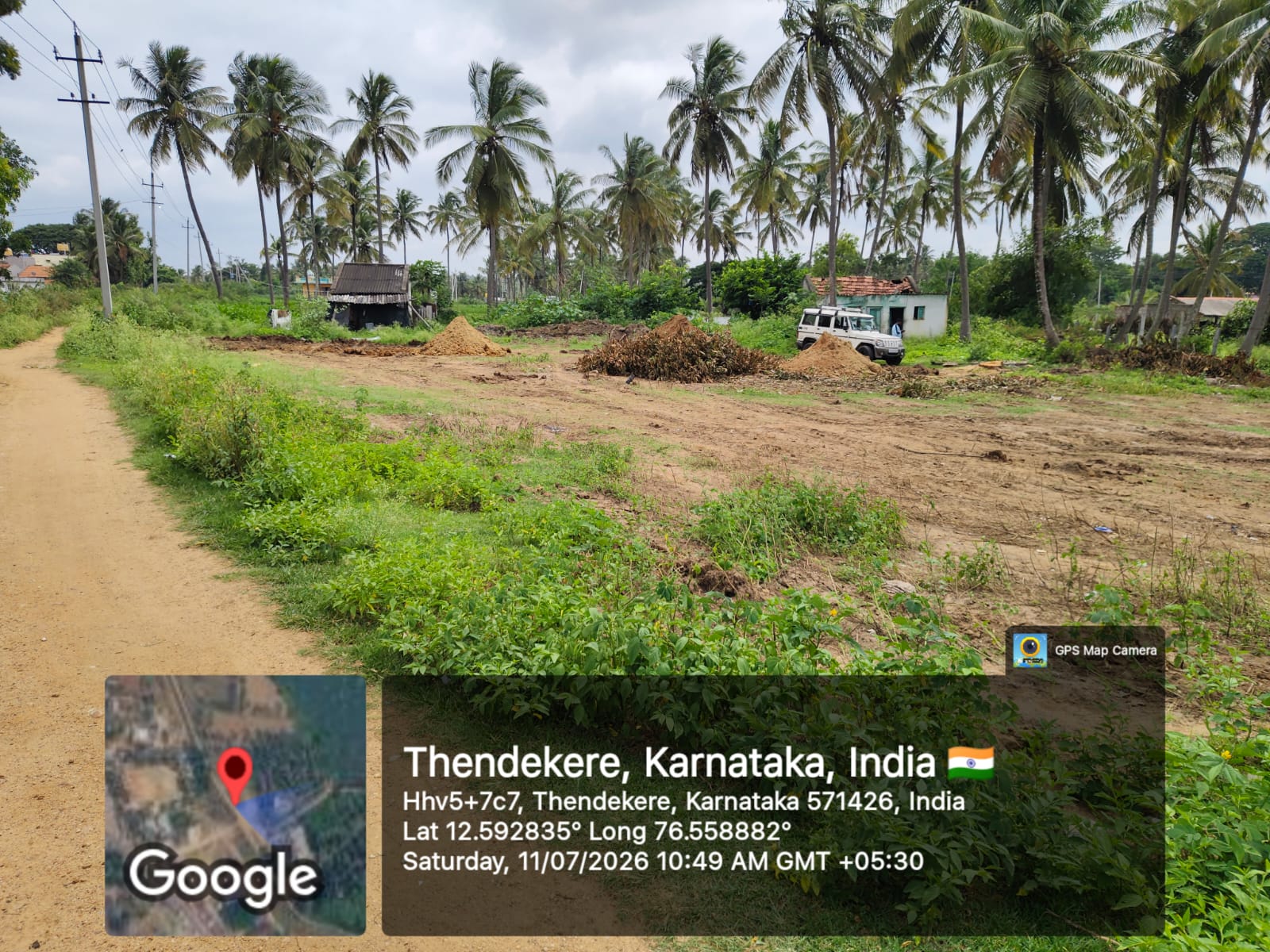
- 1Site Reconnaissance & Borehole/Pit Layout — Mark optimum trial pit locations based on building footprint and structural loading.
- 2Trial Pit Excavation & Strata Inspection — Excavate trial pits to required founding depth and document visual soil strata variations.
- 3Undisturbed & Disturbed Sampling — Collect field core samples and sealed soil specimens for laboratory analysis.
- 4Geotechnical Laboratory Testing — Perform shear strength, grain size, compaction, and bearing capacity tests.
- 5Engineering Report Formulation — Calculate Safe Bearing Capacity (SBC) and provide stamped foundation design parameters.
On-Site Field Photos & Fleet